Part of our Renting a car in Malta guide
Is a car worth it in Malta? Car hire versus bus and taxi
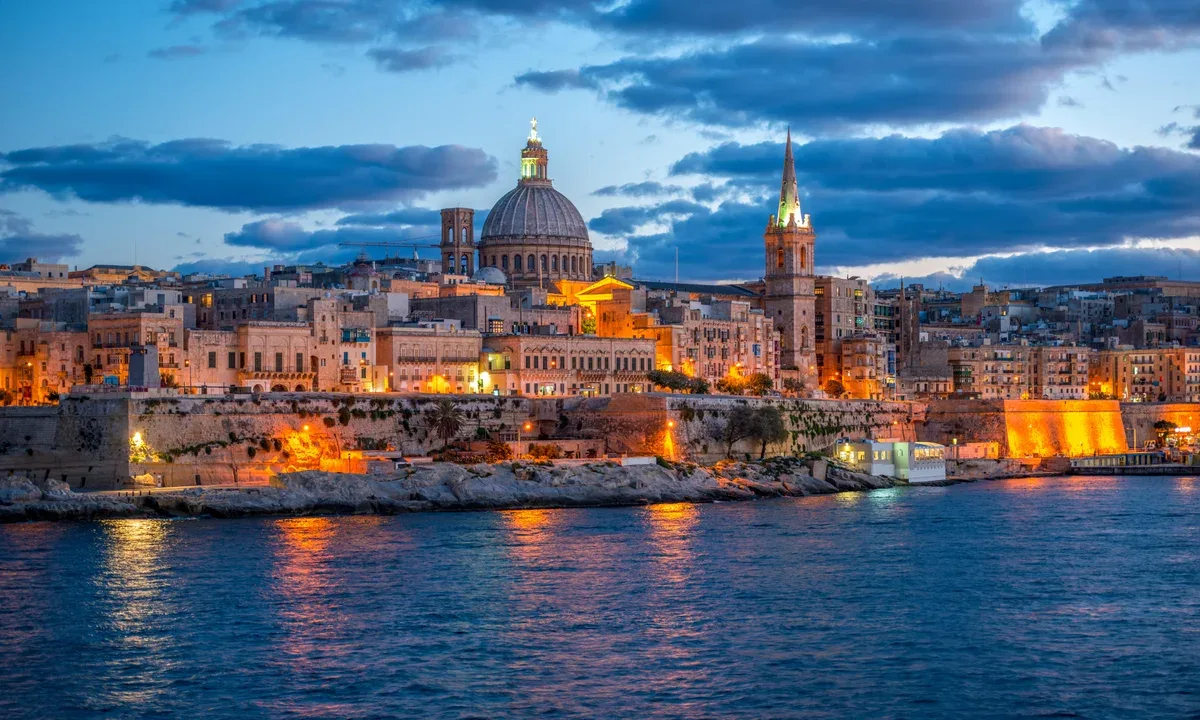
We get this question at the desk most days: “do we actually need a car, or can we just Bolt everywhere?” The honest answer depends entirely on what your week looks like. If you’re staying in Sliema or St Julian’s and mostly want the promenade, the ferry to Valletta and a few restaurants, a car can sit idle and cost you parking headaches. If your plans include Gozo, the south, the west, or more than one town in a day, the maths flips fast, and a car from our fleet page usually works out cheaper than it looks, especially once you add up bus transfers or a string of Bolt rides. Below is the calculation we’d actually run for you at the counter, not a generic “rent a car” pitch.
When you genuinely don’t need a car
If your trip is a short city break centred on Valletta, Sliema, St Julian’s and Paceville, Malta’s public transport and walking will cover you fine. The three towns sit close together, the seafront promenade connects most of them on foot, and the ferry across Marsamxett Harbour gets you between Sliema and Valletta in under ten minutes without touching a bus schedule at all. Add Bolt for the odd late-night trip back from Paceville and you’ve got a workable, car-free few days.
This is also the one scenario where hiring a car can be a net negative. Sliema and St Julian’s are dense, parking is genuinely tight in peak season, and a car you’re not using every day is just something to worry about overnight. If this is your trip, don’t feel you need one. Our own St Julian’s and Sliema page is honest about this too: it’s built for people who want a car for day trips out of the area, not people staying put in it.
When a car earns its keep
The calculation changes the moment your itinerary leaves the Sliema-Valletta-St Julian’s triangle. A few cases we see constantly:
Gozo. The bus network thins out considerably once you’re off the main island, and Gozo’s sights (Dwejra, Ramla Bay, Victoria, the salt pans at Xwejni) are spread across the island in a way that rewards your own timetable. Public transport can get you to Gozo as a foot passenger, but once there you’re back to buses or taxis between villages. Bringing a hire car across on the Gozo Channel ferry turns a full day of connections into a loop you drive yourself, and we’ve written a full walk-through of how the crossing actually works in our guide to taking a hire car over on the Gozo ferry.
The south and west. Marsaxlokk’s Sunday fish market, the Blue Grotto, Dingli Cliffs, Ħaġar Qim: these are all real bus routes, but they’re not on the same line, and connections between them typically mean a trip back toward Valletta first. By car, it’s a single loop you can do in a morning.
More than one town a day. Fine to bus between two adjacent places. Once you’re stringing together three or four stops (say, Mdina in the morning, Golden Bay for the afternoon, dinner in Marsaskala) you’re either building your whole day around bus timetables or paying for it in Bolt fares between each leg.
Families with beach gear. A cooler box, umbrellas, a couple of kids and their bags do not fit comfortably on a bus, and stacking that into a Bolt boot gets old after the second trip. Our category E, the Peugeot Rifter, seats seven and swallows a family’s beach kit without anyone sitting on a lap.
Early flights and odd-hour arrivals. If you’re landing at Malta International Airport on a 6am arrival or leaving on a red-eye, you’re not waiting on a bus timetable that may not even be running yet.
The cost maths: bus, Bolt and a hire car, side by side
Numbers help more than adjectives here, so here’s roughly what each option costs as of writing.
Bus. A single Malta Public Transport fare is €2.00 in winter and €2.50 in summer, and it covers two hours with free transfers, which is generous for hopping between nearby stops. A 7-day Explore Flex tourist card is €27 for buses only, or €42 if you want the Gozo high-speed ferry bundled in. For two people doing three or four bus trips a day over a week, that’s roughly €54 to €80 in cards alone, before you’ve paid for a single Bolt to fill the gaps buses don’t cover.
Bolt. There’s no fixed tariff, it’s demand-based, but as a rough local guide: a short hop across Sliema or St Julian’s typically runs somewhere in the €5-10 range, an airport transfer to St Julian’s is usually more like €20-30, and anything cross-island (Sliema to Marsaxlokk, say, or out to Dingli) climbs from there, especially at night or during a Saturday-evening surge. Four or five of those trips over a week adds up quicker than most visitors expect, and unlike a bus card, every euro of it is a one-off spend with nothing left over.
Hire car. Our category A, the Hyundai i10, starts at €16 a day in low season and €23 in peak (category B, the Nissan Micra, runs €16-24). Over a 7-day hire that’s roughly €112 to €161 for the car, for however many people and however many trips you make in it, plus fuel. Two or more people travelling together, doing more than a couple of trips a day, will usually beat the combined bus-and-Bolt total, and a family of four or five in the Peugeot Rifter (€28-50/day) comes out well ahead of five separate Bolt fares every time they move.
The one line item worth planning for is the Gozo crossing itself: Gozo Channel currently charges €15.70 for a car and driver (charged on one leg of the round trip, so that figure covers you both ways), against €4.05 for a foot passenger. If Gozo is a single day trip, weigh that against the bus-and-taxi shuffle you’d otherwise do once you’re over there. If you’re spending a night or two on Gozo, the car easily earns its keep.
None of this is a hard rule. A solo traveller doing a pure Valletta-Sliema city break will almost certainly spend less on buses and the odd Bolt than on a week’s car hire sitting mostly parked. The maths simply tips the other way as soon as there’s more than one person, more than one bag, or more than one town on the plan.
The convenience most people forget to price in
Cost is only half of it. The other half is what a hire car saves you in time and hassle that doesn’t show up on a receipt.
We deliver across Malta and Gozo, so for most bookings your car turns up at your hotel or apartment door rather than you having to find us. No taxi to a rental desk, no queue at an airport counter, no walking to a bus stop with your suitcases while you’re still jet-lagged. You pay at the desk when the car arrives, we run through the car together, and you’re on the road within a few minutes. That door-to-door start is worth more on day one of a week’s holiday than most people expect, because it’s the one day you don’t want to be figuring out a bus timetable.
It also means you’re never locked into someone else’s schedule. Buses run to a timetable that thins out in the evenings and on Sundays in some areas; Bolt availability can dip during peak surge periods (Friday and Saturday nights in Paceville, for instance). A car in your own hands removes that variable entirely, particularly useful if your plans include an early ferry, a sunset at Dingli Cliffs, or a dinner reservation somewhere the last bus back doesn’t reach.
Our honest read
If your entire trip is Valletta, Sliema and St Julian’s, and you’re happy on foot, the ferry and the odd Bolt, save your money and skip the car. But the moment your plans include Gozo, the south or west of the island, more than one stop a day, or a family with the beach gear to match, a hire car isn’t a luxury add-on, it’s usually the cheaper and considerably less stressful option once you add up what the alternative actually costs in fares and time. Most visitors we hand keys to fall into that second group.
If you’re still weighing it up, our FAQ page covers the practical questions (deposit, driver age, what’s included) that usually settle it one way or the other. Otherwise, have a look at what’s available for your dates or get a quick quote and we’ll tell you straight whether it makes sense for your particular trip.
Planning your trip?
Tell us your dates and we will get a car ready at the airport or your hotel. A quick reply by email or WhatsApp.